
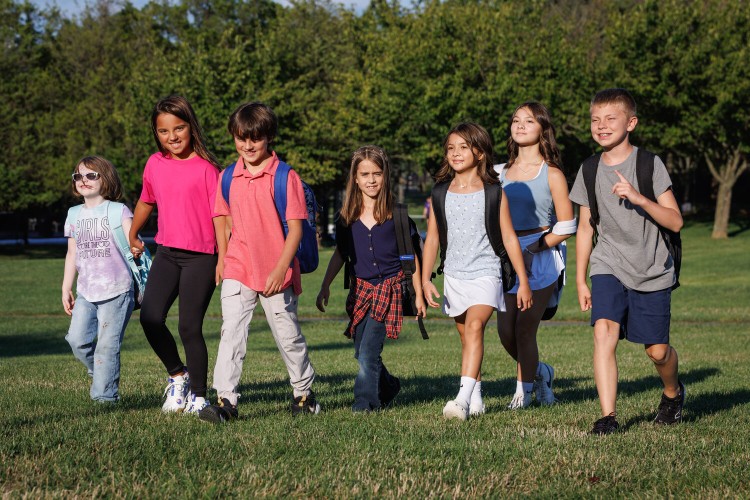
Introduction: The Challenges You Don’t Always See
In classrooms across Santa Rosa County, Florida, there are students who show up every day ready to learn—but quietly carry challenges that others may never notice. These aren’t always academic struggles. Often, they stem from gaps in everyday support that can influence how a child feels, behaves, and performs in school.
While these challenges may seem small at first glance, their impact can be significant. A student who feels unprepared or uncomfortable may withdraw, lose focus, or struggle to keep up. Over time, these small barriers can become larger obstacles.
The good news is that communities like Milton, Pace, and Pea Ridge are taking meaningful steps to recognize and respond to these needs—ensuring that students don’t fall behind due to circumstances beyond their control.

The Hidden Nature of Student Challenges
Many student challenges are not immediately visible. Unlike academic difficulties, which often show up in grades or test scores, unmet needs can go unnoticed for weeks or even months.
Students may:
- Avoid raising their hand or participating
- Sit quietly rather than engage with peers
- Miss school more frequently
- Struggle to stay focused during lessons
These behaviors are often misunderstood as lack of motivation, when in reality, they may reflect deeper challenges.
Recognizing these signs is the first step toward providing meaningful support.
The Academic Impact of Unmet Needs
When students are dealing with unmet needs, their ability to learn is directly affected.
Key Academic Effects:
- Reduced concentration during lessons
- Difficulty completing assignments
- Lower test performance
- Falling behind peers
Learning requires focus, confidence, and a sense of stability. Without those elements, even the most capable students may struggle.
The Emotional and Social Impact
Beyond academics, unmet needs can take a toll on a student’s emotional well-being.
Common Emotional Effects:
- Embarrassment or self-consciousness
- Increased anxiety
- Decreased self-esteem
Social Effects:
- Withdrawal from group activities
- Difficulty forming friendships
- Feeling isolated from peers
These experiences can shape how a student views themselves and their place in the school environment.
Why Early Intervention Is Critical
The earlier a challenge is addressed, the easier it is to resolve.
Early intervention helps:
- Prevent small issues from becoming larger problems
- Restore confidence quickly
- Keep students on track academically
In Santa Rosa County, educators and community partners understand that timing matters. Addressing needs promptly can make the difference between a temporary setback and a long-term struggle.

How Santa Rosa County Schools Identify Student Needs
Teachers, counselors, and school staff are often the first to notice when a student may need support.
They look for:
- Changes in behavior or participation
- Signs of discomfort or withdrawal
- Academic decline
Because school staff interact with students daily, they are uniquely positioned to recognize when something isn’t right.
The Role of Community Partnerships
Once a need is identified, schools don’t have to respond alone.
In Milton, Pace, and Pea Ridge, schools work closely with local nonprofits to ensure students receive the help they need quickly and discreetly.
These partnerships allow for:
- Faster response times
- Access to additional resources
- More personalized support
👉 Learn how this process works in detail: Immediate Student Assistance in Santa Rosa County, FL
How Local Organizations Are Making a Difference
Community-based organizations play a vital role in addressing student challenges.
They provide:
- Flexible resources
- Rapid response to urgent needs
- Support tailored to individual situations
Because they are rooted in the local community, these organizations understand the unique challenges families face in Santa Rosa County.

The Long-Term Benefits of Addressing Student Needs
When challenges are addressed effectively, the results extend far beyond the classroom.
For Students:
- Increased confidence
- Improved academic performance
- Greater sense of belonging
For Schools:
- Higher engagement levels
- Stronger classroom environments
For the Community:
- Better educational outcomes
- Stronger future workforce
How the Community Can Help
Addressing student challenges is not just the responsibility of schools—it’s a community effort.
You can help by:
- Supporting local nonprofits
- Volunteering your time
- Raising awareness about student needs
Even small actions contribute to a larger system of support.
Conclusion
When students don’t have the support they need, the effects can be far-reaching. But when communities step in, those challenges can be overcome.
In Santa Rosa County, the collaboration between schools and local organizations is creating real change—ensuring that students have the opportunity to succeed, no matter their circumstances.
FAQ
What are common challenges students face?
Students may experience barriers that affect focus, confidence, and participation.
How do schools identify students in need?
Teachers and staff observe behavior, engagement, and academic performance.
Why is early intervention important?
It prevents small issues from becoming long-term challenges.